Build a Broadcast-Ready Home Voice-Over Studio.
Turn any room into an audition-winning recording space. Discover optimal acoustic treatment, professional microphones, audio interface setups, and noise floor optimization for working voice artists.
-60 dB
Ambient Noise Floor
Industry standard benchmark
24-bit
Audio Resolution
48kHz recording standard
<0.3s
Reverb Time (RT60)
Dead acoustic space goal
XLR
Pro Signal Path
Balanced audio interface
The 4 Pillars of a Great Setup
Great voice acting relies heavily on signal purity. Elevate your setup across all four critical components.
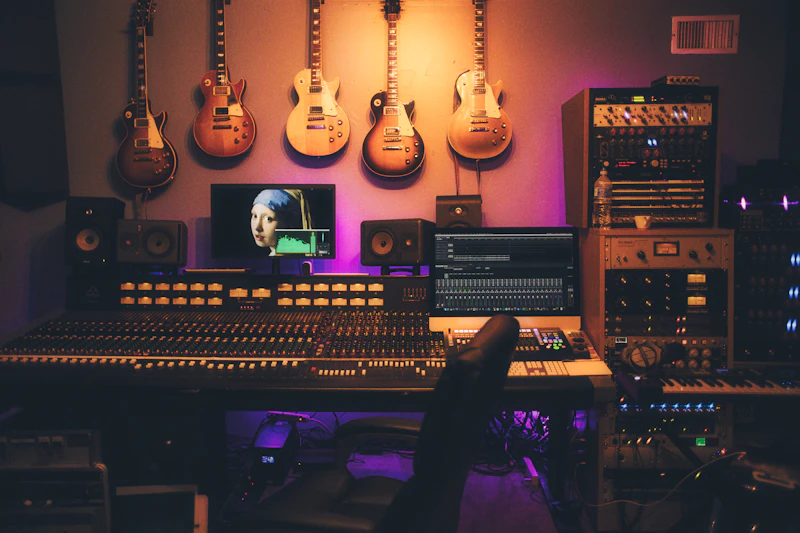
Acoustic Space & Isolation
Gear alone won't fix flutter echo or room boxiness. Treating your room's hard surfaces with sound absorption is more important than buying an expensive microphone.
- Dense mineral wool or heavy acoustic absorption panels
- Corner bass traps to catch low-frequency boom
- Isolating quiet spaces like walk-in closets or whisper booths

Microphones & Capsule Choice
Selecting the right capsule type based on your room acoustics and voice timbre ensures rich detail without picking up unwanted room reflections.
- Large Diaphragm Condensers (LDC) for maximum vocal clarity
- Dynamic Microphones for rooms with higher background noise
- Cardioid polar patterns for focused off-axis rejection
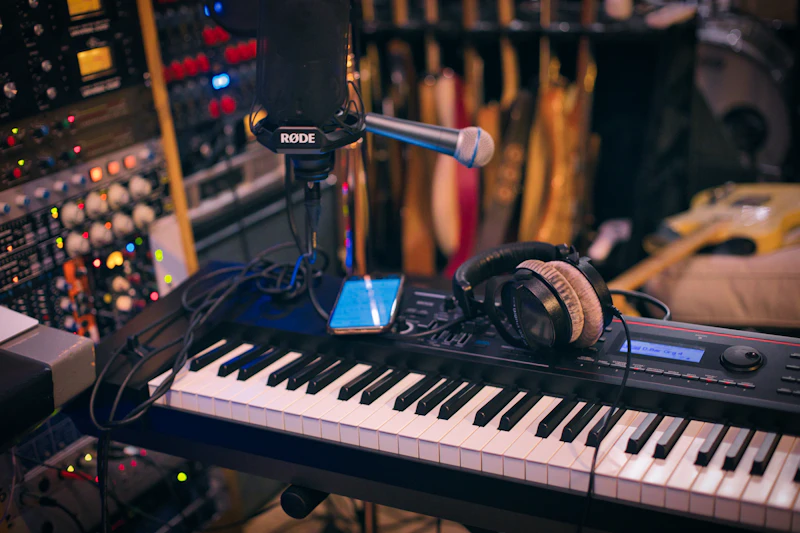
Preamps & Conversion
A clean, low-noise audio interface converts your analog voice into pristine digital signals without adding unwanted hiss or harmonic distortion.
- High-gain preamps with low Equivalent Input Noise (EIN)
- Direct headphone monitoring with zero latency
- Stable drivers for seamless Remote Directed Session integration

DAW & Monitoring
Efficient recording and editing software paired with flat-frequency studio headphones allow you to spot mouth clicks, sibilance, and subtle noise floor issues.
- Non-destructive DAWs (Audition, Reaper, Logic Pro, Pro Tools)
- Closed-back studio reference headphones for zero bleed
- Spectral audio editing plugins for targeted de-clicking
Recommended Studio Tiers
Select a budget tier below to view a tailored hardware equipment breakdown.

Rode NT1-A / AT2020
Reliable entry-level condenser microphones with low self-noise profiles for beginner voice actors.

Focusrite Scarlett Solo
Compact 2-in/2-out USB interface providing clean 24-bit/192kHz preamp conversion.

Audio-Technica ATH-M40x
Flat-response closed-back monitoring headphones preventing audio bleed into the mic.

Heavy Moving Blankets
Cost-effective acoustic dampening around a closet workspace for high absorption.

Sennheiser MK4 / Shure SM7B
Industry standard workhorse mics deliver rich warmth and excellent off-axis rejection.
Audient iD14 / SSL2+
Console-grade preamps delivering high dynamic range and pristine analog circuitry.

Beyerdynamic DT 770 Pro
Comfortable, high-detail closed studio headphones for long recording and editing sessions.

Owens Corning 703 Panels
Rigid fiberglass panels strategically mounted at reflection points to control room decay.
Sennheiser MKH 416 / U87
The pinnacle commercial and film trailer shotgun microphone setup used globally.
Universal Audio Apollo Twin
Unison preamps with real-time DSP processing for pristine remote client sessions.
Sennheiser HD 650 / Focal
Audiophile reference playback for precise post-production audio mastering.
Dedicated Isolation Booth
Double-walled isolation booth (WhisperRoom / StudioBox) achieving optimal acoustic deadness.
Roster Audit Studio Checklist
Ensure your home setup passes agency casting standards before submitting audio auditions.
HVAC & Fan Noise
Turn off air conditioners, fans, and computer monitors before recording. Computer tower noise must be baffled or isolated outside the recording space.
Proper Gain Staging
Set raw recording levels peaking between -12dB and -6dB. Never clip or over-amplify noisy signals into the analog-to-digital converter.
Remote Session Ready
Equip your studio with stable Source-Connect, ipDTL, or Zoom routing to allow agency directors and clients to conduct live remote recording sessions.
Home Studio Questions
Got questions about audio gear, acoustic treatment, or remote recording?
Is Your Home Studio Audition-Ready?
Once your studio meets our audio noise floor and signal quality requirements, apply to join our exclusive voice artist roster.